Foundation inspections: who does them and what to ask for
Two kinds of people inspect foundations, and they are paid in different ways. Knowing which one is standing in your yard tells you how to read what they hand you.
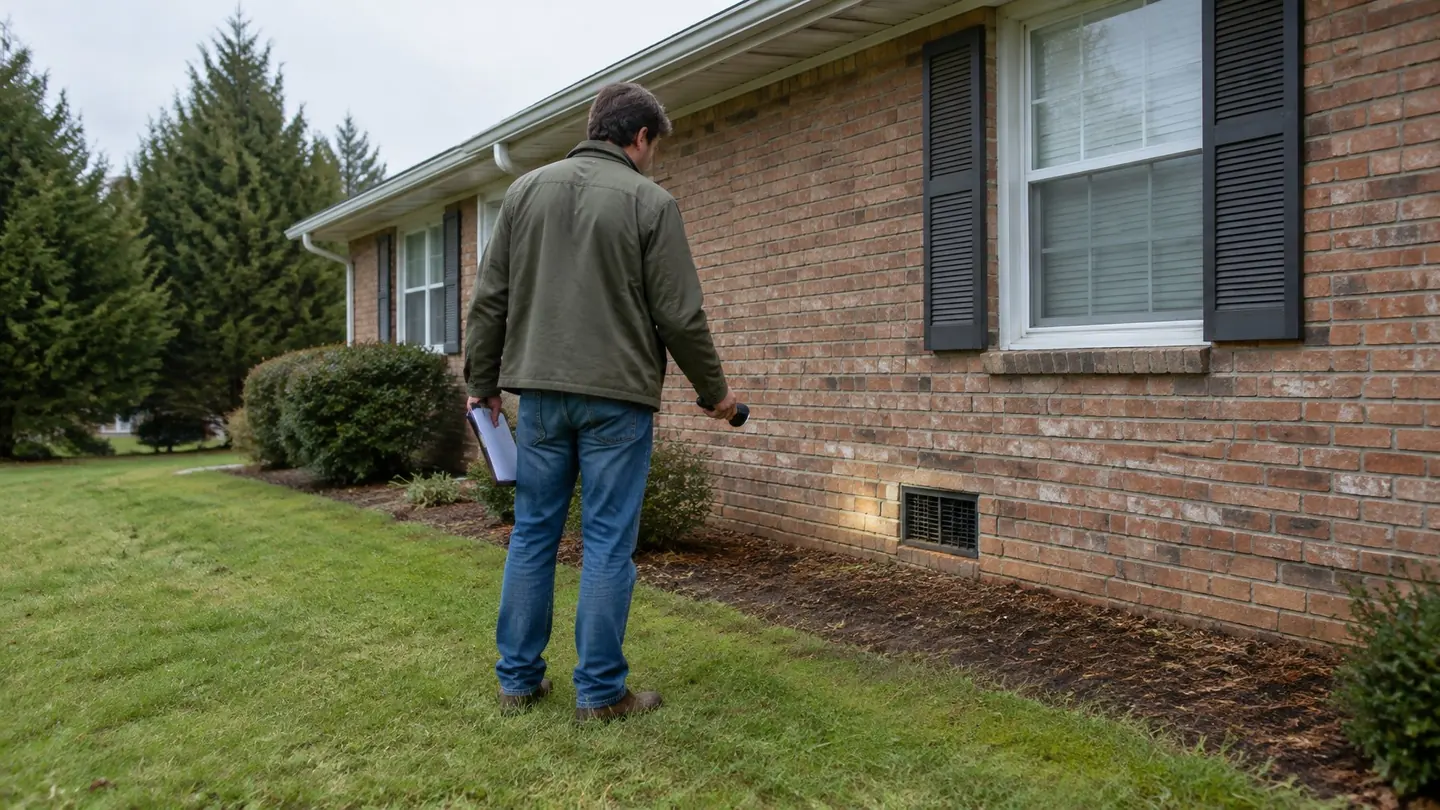
Two inspectors
Repair company or structural engineer
A foundation repair company
- Sends someone to measure the house and propose a repair that the company would carry out.
- Gives you a scope of work and a price, often at the same visit.
- Is the usual first step when you can see movement and want to know what fixing it involves.
- Earns its money from the repair, so a second proposal is a fair check on the first.
A structural engineer
- Is a licensed professional engineer who is paid a fee for an opinion and does not sell repairs.
- Writes a report on the cause and the repair needed, which a company can then price.
- Is worth having in a house sale, when proposals disagree, or when the work is large.
- May be required by a lender, a buyer or the permit office for some repairs.
Someone else again
Where a home inspector fits
A home inspector in a house sale looks at the whole property in a few hours and flags what needs a specialist. A line in the report saying "recommend evaluation by a structural engineer or foundation contractor" is a referral, not a finding. It is the cue to arrange one of the two inspections above before the contract's inspection period runs out.
During the visit
What a thorough inspection measures
Floor elevations
Heights taken across every room with a levelling instrument and marked on a floor plan. This map is the single most useful piece of paper you will get.
Cracks and openings
Where they are, how wide, which way they taper, and whether doors and windows near them are out of square.
The foundation itself
Outside walls for plumb and cracks; the crawl space for piers, beams, joists and moisture; a basement for bowing; a slab for offset cracks.
Water
Gutters, downspout outlets, the fall of the ground, standing water, and any dips in the yard.
History
When you first saw each symptom, earlier repairs, plumbing leaks, and any reports you already hold.
On paper
Ask for these in writing
- The floor elevation map, with the date it was taken.
- A plain statement of what the inspector believes is causing the movement.
- A drawing showing where each pier, post or anchor would go.
- Whether the repair aims to stabilise or to lift, and the lift expected.
- What is excluded: finishes, landscaping, plumbing tests, drainage.
- Who obtains the permit, and the full warranty text.
For an engineer, ask for a Tennessee licence number on the report. For a repair company, the state's licence search shows whether its contractor's or Home Improvement licence is current.
Get ready
Making the visit count
Clear the crawl space hatch and the base of the walls in the rooms that worry you. Write your observations down with rough dates and hand them over. Find the inspection report from when you bought the house, and any paperwork from earlier foundation or plumbing work.
Walk round with the inspector if you can. Ask what each measurement shows as it is taken. People who know their work are generally glad to explain it.
One phone call
Speak with a foundation repair company near Murfreesboro
Mention the crack, the dip or the lean, name the room, and give the month you first spotted it. Whoever picks up belongs to a Middle Tennessee foundation outfit whose only tie to this website is the referral. They can pencil in an inspection and follow it with a written price.
A house that is cracking as you listen, a wall on the point of failing, gas in the air: everybody outside first, then 911 and the gas company.
Expect the call to be recorded. Two short pages cover the rest: who pays for referrals and what becomes of call details.